More Than Just Plans: How Event Apps Quietly Saved My Family’s Memories
Life gets busy—between school runs, work deadlines, and weekend chaos, I kept missing moments I didn’t want to forget. Birthdays blurred into holidays, and my kids’ first steps slipped by in a fog of to-do lists. I’d look back at a month and realize I couldn’t recall what we’d actually done. The photos were buried in my phone, the little milestones forgotten. Then I discovered something surprising: the same apps I used to schedule dentist appointments were quietly becoming my family’s memory keepers. It wasn’t about perfect planning—it was about preserving what truly matters. And honestly, it changed everything.
The Overwhelm of Everyday Life: When Moments Slip Away
Let’s be real—most of us aren’t living in perfectly curated moments. We’re juggling. Mornings start with someone missing a shoe, someone else refusing to eat breakfast, and the dog barking because he didn’t get his walk on time. By the time I drop the kids at school, I’ve already forgotten half the things I meant to do. And it’s not just the big things. It’s the little ones: the way my daughter said “I love you” with chocolate on her face, or the way my son laughed when the dog sneezed mid-bark. Those are the things I want to remember. But in the rush, they fade.
I used to think memory was just something that happened—something we either had or didn’t. But the truth is, memory is built. It’s shaped by attention, by intention, by the moments we choose to mark as important. And for years, I wasn’t marking any of them. I was just surviving. Birthdays came and went with a last-minute gift and a slightly panicked text. Family dinners were canceled because someone had practice, someone had a meeting, and no one remembered to check the calendar. I started feeling like I was losing time, like I was watching my kids grow up through a fogged-up window.
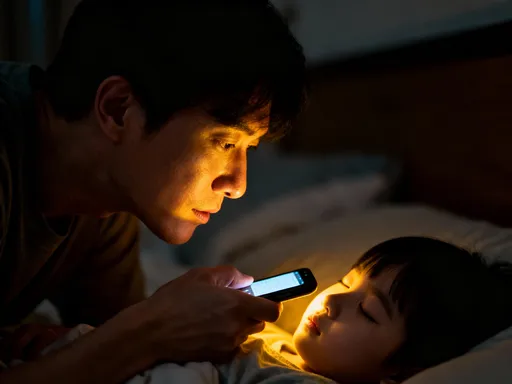
Then one evening, I was scrolling through my phone and stumbled on a calendar notification I’d set months ago: “Emma’s First Day of School – Take 3 photos.” I hadn’t even remembered setting it. But there it was, popping up with a little photo icon. And suddenly, I did take those photos. I wasn’t rushing. I wasn’t distracted. I was present. And later, when I looked at those pictures, I didn’t just see her backpack and new shoes—I remembered how her hand felt in mine, how she waved without looking back. That tiny reminder didn’t just tell me what to do. It helped me feel something. It anchored a moment. And that’s when it hit me: maybe my calendar wasn’t just a to-do list. Maybe it could be a memory map.
From Calendar Alerts to Emotional Triggers: The Hidden Power of Smart Reminders
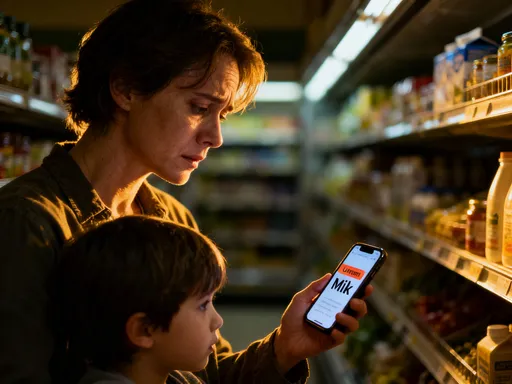
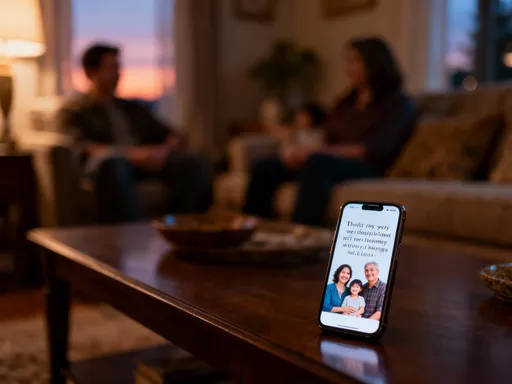
We think of reminders as practical tools. “Pick up milk.” “Call the vet.” But what if they could do more? What if a simple alert could carry emotion, intention, warmth? That’s exactly what happened when I started customizing my reminders not just with tasks, but with meaning. Instead of “Mom’s birthday,” I changed it to “Call Mom – she loves when you sing ‘Happy Birthday’ over the phone.” And I attached a photo of us from last year’s visit, laughing over pie. When the alert popped up, it wasn’t a chore. It was a nudge from my heart.
I started experimenting. For my husband’s work anniversary, I set a reminder that said, “Text Dan – remember how proud you were when you got this job?” with a screenshot of his excited email from years ago. When it appeared, I wasn’t just fulfilling an obligation. I was reconnecting with a shared moment. And he noticed. He replied with a voice note saying, “I can’t believe you remembered that.” That’s the thing—technology doesn’t have to be cold. When we use it with intention, it can carry warmth, humor, love.
The science behind this isn’t complicated. Our brains respond to cues—visual, auditory, emotional. A plain text reminder says, “Do this.” But a reminder with a photo, a voice note, or a personal message says, “This matters.” It triggers not just action, but feeling. And that’s where the magic happens. It’s not about being perfect. It’s about being present. I don’t always get it right. Sometimes I still miss things. But now, when I do, it’s not because I forgot. It’s because life happened—and even then, the reminder stays, waiting for me to catch up.
Think about how often we say, “I’ll remember that.” But we don’t. Our minds are full—of work stress, of grocery lists, of unanswered emails. We need help. And there’s no shame in that. Using a reminder isn’t admitting weakness. It’s honoring what you value. It’s saying, “This person, this moment, this tradition—they’re worth protecting.” And the best part? You don’t need a fancy app. Any calendar with photo or note attachments can do this. It’s not the tool that’s special. It’s how you use it.
Shared Events, Shared Memories: How Inviting Others Strengthens Bonds
One of the biggest myths about family is that everyone is on the same page. We assume our partner remembers the kids’ dentist appointments, that our parents know when the school play is, that our siblings will show up for Mom’s birthday dinner. But the truth? Everyone’s juggling their own chaos. And when details fall through the cracks, it’s easy to take it personally. “They didn’t come because they don’t care.” But more often, it’s not about care. It’s about communication.
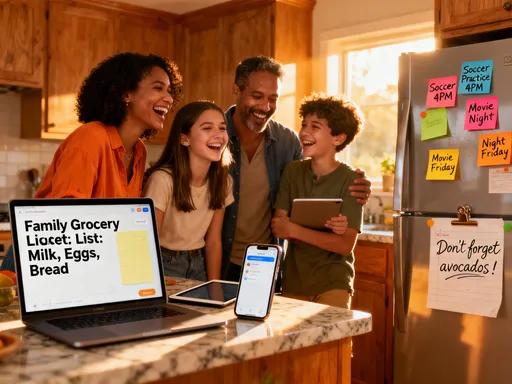
That’s where shared calendars changed everything for us. Instead of texting back and forth, “Is the soccer game Saturday or Sunday?” or “What time is the recital again?”, I started creating events and inviting people directly. I added my mom to my daughter’s piano recital. I shared my son’s soccer schedule with his grandparents. And something small but powerful happened: people showed up. Not because I nagged them, but because they knew.
But it went deeper than logistics. When I added my sister to my nephew’s birthday party event and she replied with “Can’t wait! I’m bringing the rainbow cake!”, it didn’t just confirm her attendance. It created anticipation. It built excitement. It turned a date on a calendar into a shared story. And when she walked in with that ridiculous, beautiful cake, we all laughed—and later, I saved her message in the event notes. Now, every year, when I reopen that event, I see her words, and I smile.
Shared events aren’t just about coordination. They’re about inclusion. They say, “You’re part of this.” They turn family and friends from passive observers into active participants. And for busy parents, that’s a gift. I don’t have to be the family secretary anymore. I don’t have to chase people down. The calendar does the heavy lifting, and I get to enjoy the moment. Plus, when my kids see their grandparents at events they didn’t “forget” to attend, they feel loved. They feel seen. And that’s what matters most.
The Photo That Appears at Just the Right Time: Integrating Media into Event Planning
Here’s a moment I’ll never forget: I was planning our next beach trip, scrolling through rental options, when a notification popped up: “One year ago today: Sunset at Cape May.” And there it was—a 15-second video clip of my kids running into the waves, shrieking with laughter, the sky painted in pinks and golds. I stopped. I watched it twice. And suddenly, I wasn’t just planning a vacation. I was remembering why we go.
Most calendar apps now let you attach photos, videos, or voice notes to events. I started using that feature like a time capsule. Before our annual camping trip, I attach a clip from last year’s bonfire. Before the first day of school, I add a photo of the kids on their very first ride to kindergarten. And when those events come around, the media appears like a gentle whisper from the past. It’s not about living in nostalgia. It’s about carrying forward joy.
Think about how often we plan things without remembering why we loved them in the first place. We book the same vacation spot, but forget the feeling of bare feet on warm sand. We sign the kids up for soccer again, but don’t recall how proud we felt watching their first goal. By attaching media to events, we reconnect with emotion before we act. It transforms planning from a transaction into a tradition. And it helps us make better choices. When I saw that beach video, I didn’t just book Cape May again—I made sure to pack the red bucket they always fight over, because I remembered how much fun they had building that lopsided sandcastle.
This isn’t just sentimental. It’s strategic. When we engage our emotions in planning, we’re more likely to follow through. We’re more present. We’re more joyful. And for families, that means more meaningful experiences and fewer “we did that again, but it felt empty” moments. You don’t need a special app. Just start small. Attach one photo to one event. See how it feels when it comes back to you. You might be surprised how much a 10-second clip can stir.
Building Traditions Without the Stress: How Automation Preserves Culture and Connection
Every family has traditions. Some are big—holiday meals, annual trips. Some are small—a certain song we sing before bed, pancakes every Sunday morning. But here’s the hard truth: traditions don’t survive on good intentions. They survive on repetition. And repetition requires remembering. And remembering is hard when life is loud.
I come from a family that celebrates Lunar New Year with a big dinner, red envelopes, and a mountain of dumplings. I wanted my kids to grow up with that. But the first year I tried to do it on my own, I forgot to buy the special plates. I didn’t start prep early enough. The dumplings were half-finished when guests arrived. It was stressful. I felt like I’d failed.
The next year, I set up a recurring event: “Start Lunar New Year Prep – 2 Weeks Before.” It included a checklist: “Buy ingredients,” “Call Auntie Lin for recipe,” “Charge phone for family video call.” I even attached a photo of my mom making dumplings when I was a kid. When the alert popped up, I wasn’t scrambling. I was ready. And that year, the meal was joyful. The kids helped fold dumplings. We played the same music. It felt like home.
Now, I use automation for all our traditions. “Start Christmas Cookie Baking – First Weekend of December.” “Plan Mother’s Day Brunch – Early May.” These aren’t just tasks. They’re invitations to connection. They give me time to prepare—not just the food, but my heart. And when the day comes, I’m not exhausted. I’m excited. Technology didn’t replace the tradition. It protected it. It gave it space to breathe. And that’s what every family deserves: the chance to keep what matters, without burning out in the process.
The Quiet Confidence of Being Organized: Emotional Relief in Knowing Nothing Will Be Forgotten
Let me tell you about the weight I used to carry. It wasn’t physical. It was mental. It was the constant hum in the back of my mind: “Did I sign the permission slip? Did I reply to the teacher’s email? Is someone’s birthday coming up?” It followed me into bedtime, into quiet moments, into family time. I was there, but not really there. My body was at the dinner table, but my mind was three steps ahead, worrying about what I might have missed.
Then I started trusting my calendar. Not perfectly. Not overnight. But gradually. I moved everything into it—appointments, events, even “buy birthday card” tasks. I set reminders with buffer time. I shared what needed to be shared. And slowly, that mental hum faded. It didn’t disappear, but it quieted. And in its place, something beautiful grew: presence.
Now, when I’m at my son’s soccer game, I’m not thinking about whether I remembered to schedule the car maintenance. I’m watching him sprint down the field, laughing with his teammates. When I’m having coffee with a friend, I’m not mentally reviewing my to-do list. I’m listening. Really listening. Because I know the calendar has my back. It’s not that I’ve become superhuman. It’s that I’ve given myself permission to offload the clutter. And in doing so, I’ve made room for what matters.
This isn’t just about efficiency. It’s about emotional freedom. When you stop fearing forgetfulness, you stop living in survival mode. You start living with intention. You start noticing the little things—the way your daughter twirls when she’s happy, the way your husband hums that old song while making toast. These aren’t just moments. They’re the fabric of your life. And when you’re not too busy remembering what’s next, you can actually feel what’s now.
Making It Yours: Simple Steps to Turn Any Event Tool into a Memory Keeper
You don’t need a new app. You don’t need to be tech-savvy. You just need to start. Here’s how I transformed my ordinary calendar into a memory keeper—step by step.
First, I did a calendar audit. I looked at the past month. What events actually happened? What did I forget? What moments did I wish I’d captured? I noticed patterns—birthdays, school events, family dinners. Then I began adding emotional depth. For each recurring event, I asked: What makes this matter? For my daughter’s ballet recitals, it wasn’t just the performance. It was how brave she felt, how proud we were. So I added a note: “Bring flowers. Tell her you’re proud.” I attached a photo from last year’s bow.
Next, I started sharing more meaningfully. Instead of just inviting people to events, I added context. “Come to Lily’s art show – she painted a rainbow with her feet!” That little detail made people smile before they even arrived. It turned attendance into anticipation.
Then I set up memory prompts. I created a recurring event: “One Month Ago Today – Review Photos.” Every month, I spend 10 minutes looking back. It’s not about posting online. It’s about feeling. I save a few photos in the event notes. Sometimes I add a voice memo: “Remember how cold it was at the pumpkin patch? But the kids didn’t care.”
Finally, I automated traditions. I set up annual events with checklists, photos, and notes. I even scheduled a “Family Memory Night” every quarter—where we watch old videos, look at photos, and talk about what we want to do next. It’s become something the kids look forward to. “Is Memory Night soon?” they ask.
You can do this with any calendar—Google, Apple, Outlook. The platform doesn’t matter. What matters is the intention. Start with one event. Add one photo. Write one note that says how you felt. Let the technology hold what your mind can’t. And watch how it changes not just your schedule, but your life.
Where Technology Meets the Heartbeat of Life
Life is still busy. The school runs haven’t stopped. The to-do lists are still long. But something fundamental has shifted. I’m not just managing time anymore. I’m protecting moments. I’m honoring love. I’m building a story—one quiet reminder at a time.
The best technology doesn’t dazzle. It doesn’t demand attention. It slips into your life so gently you barely notice—until one day, you realize you’re remembering more, worrying less, and loving deeper. It doesn’t replace human connection. It makes space for it. It doesn’t automate feelings. It helps you feel more.
I used to think I had to choose between being organized and being present. Now I know they’re not opposites. They’re allies. When I trust my calendar to remember the details, I’m free to remember the feelings. And that’s where real life happens—not in the perfect schedule, but in the imperfect, beautiful moments we finally stop rushing through.
So go ahead. Open your calendar. Pick one event. Add a photo. Write a note that says, “This mattered.” You don’t have to change everything at once. Just start. Because the moments you want to remember? They’re worth protecting. And sometimes, all it takes is a little alert that says, “Don’t forget this. Don’t let this go.”