I Slashed My Electricity Bill by Half: How Smart Charging Made Life Effortless
Remember that nagging worry about leaving your phone or laptop plugged in too long? I used to feel guilty about wasting energy—and money—every day. Then I discovered smart charging. It didn’t just cut my electricity bill in half; it made my mornings smoother, my devices last longer, and my home feel a little smarter. No tech degree needed. Just small, simple changes that add up. Let me show you how it quietly transformed my daily routine—and can do the same for you.
The Morning Chaos That Changed Everything
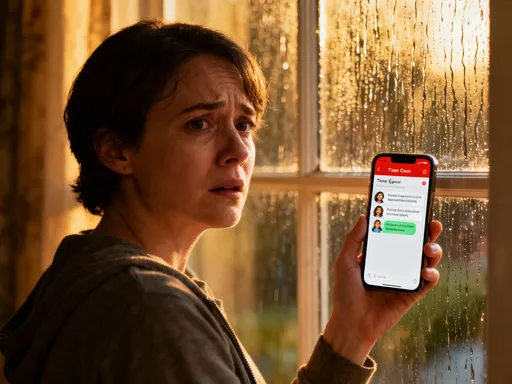
It was a typical Tuesday morning. I was halfway through packing school lunches when I realized my daughter’s tablet wasn’t charged. Again. My husband was searching for a working USB cord, muttering about dead earbuds, and I could hear my phone buzzing from the bedroom—plugged in, but somehow still at 30%. The tangle of cords behind the nightstand looked like a science experiment gone wrong. And there, on the kitchen counter, sat three chargers still plugged in even though nothing was attached. I stared at them and thought, This is ridiculous. We’re not careless people. So why does this keep happening?
That moment hit me harder than usual. It wasn’t just the mess or the frustration—it was the quiet guilt. I’d read about energy waste, seen those infographics about vampire power, but never connected it to my own home. Then I checked my last electricity bill. $187. For a modest house with two adults and two kids. I knew heating and cooling played a part, but what if some of that was coming from things we didn’t even think about? Chargers left on. Devices overcharging. Power strips humming all night. That’s when I started wondering: could there be a smarter way?
I didn’t want to become a home energy expert. I didn’t have time to unplug ten cords every night or track usage with spreadsheets. I just wanted something that worked—automatically. Something that fit into my life instead of adding to the to-do list. That’s how I began my journey into smart charging. And honestly, it wasn’t about chasing the latest gadget. It was about peace of mind. About knowing my family wasn’t wasting money or harming the planet just because we were busy living our lives.
What Smart Charging Really Means (And Why It’s Not Just for Techies)
When I first heard the term smart charging, I pictured something complicated—like coding rules or syncing devices through a console. But the truth is much simpler. Smart charging means your devices charge only when they need to, and stop when they’re full. It’s like having a little helper that watches over your electronics so you don’t have to. Think of it like your toaster: it turns off when the bread is done. Or your coffee maker that shuts off after brewing. Why shouldn’t your phone charger do the same?
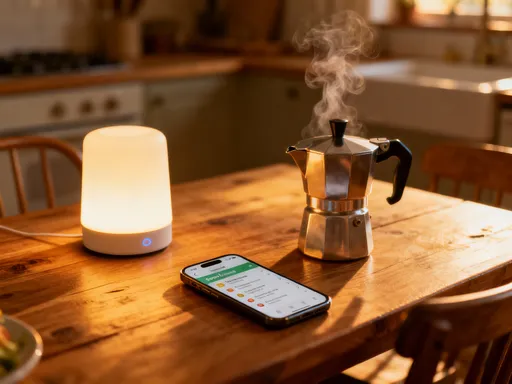
Here’s how it works in real life. A smart plug or power strip connects to your home Wi-Fi. You control it through an app on your phone—no wires, no tools, just tap and go. You can set it to turn off at a certain time, like 10 p.m., or when your device reaches 80% battery. Some even learn your habits over time, just like a thermostat adjusts to your preferred temperature. The best part? You don’t need to be home to use it. Forgot to unplug the guest room laptop charger? Turn it off from your phone while you’re at the grocery store.
And no, this isn’t about turning your home into a sci-fi movie. You don’t need voice commands or flashing lights. Most of the time, you won’t even notice it’s working—because that’s the whole point. It runs quietly in the background, doing the job so you can focus on your day. I remember showing my sister how I set up my nightstand charger. She laughed and said, So it’s like a babysitter for your phone? Exactly. And just like a good babysitter, it keeps things safe, doesn’t make a mess, and gives you back your time.
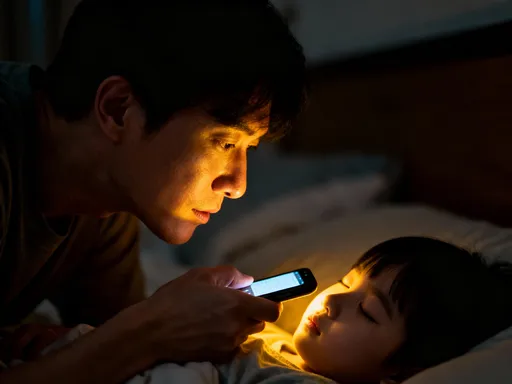
One thing that really eased my mind was safety. Old chargers left plugged in can overheat, especially if they’re low quality or covered by fabric. I read about a few house fires linked to charging devices under pillows or near bedding. That scared me. Smart plugs often have built-in safety features—like temperature control and surge protection. So not only are you saving energy, you’re also reducing risk. For a mom who worries about her kids leaving chargers plugged in all night, that’s priceless.
My First Step: Swapping Out Old Chargers for Smart Plugs
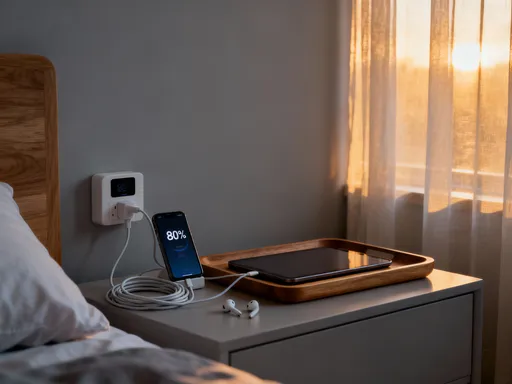
I didn’t overhaul my whole house overnight. That would’ve been overwhelming—and expensive. Instead, I started with one charger: the one I used most, right by my bed. I bought a simple smart plug online—less than $15—and plugged my phone charger into it. The setup took ten minutes. I downloaded the app, followed the prompts, and connected it to my Wi-Fi. Then I set a rule: turn off at 10:30 p.m. every night.
At first, I worried my phone wouldn’t be fully charged by morning. But here’s the thing: modern phones charge quickly in the first 80%. After that, they slow down to protect the battery. Charging from 80% to 100% can take as long as the first 80%, and it actually stresses the battery. Experts recommend stopping at 80% for daily use. So I adjusted my rule: charge until 80%, then cut power. I set the plug to turn off at 9:30 p.m., giving my phone plenty of time.
The change was almost immediate. Within a month, I saw a $12 drop on my electricity bill. That might not sound like much, but it added up. And more than the savings, I loved the peace of mind. No more waking up wondering if I’d left something on. No more guilt about energy waste. I could just go to sleep, knowing the system had it covered.
My husband noticed too. He said, You seem less stressed about the little things lately. I realized he was right. That tiny change gave me a sense of control. It wasn’t just about the charger—it was about proving to myself that I could make my home work better without spending hours on it. That confidence made me want to do more.
Taming the Device Jungle: Charging Multiple Gadgets Without the Mess
In our house, we have six devices that need regular charging: two phones, two tablets, a laptop, and wireless earbuds. On any given night, at least four of them are plugged in. Before smart charging, I’d walk into the kids’ room and see chargers draped over the bed, tangled in blankets, or half-pulled out of the wall. I’d remind them to unplug, but who really remembers at 8 a.m. when the bus is coming?
That’s when I got a smart power strip. It looks like a normal surge protector, but it has individual outlets that can be controlled through the app. I set it up in the living room, where most devices end up at night. Then I gave each outlet a name: “Teen’s Tablet,” “Guest Phone,” “Mom’s Laptop,” and so on. I created a routine called “Bedtime” that turns off all outlets at 10 p.m., except the one for the baby monitor—which stays on, of course.
The best part? The strip can detect when a device is fully charged and cut power automatically. So even if someone plugs in their tablet at 9:45, it won’t keep drawing power after it hits 100%. That’s called “load detection,” and it’s a game-changer. No more overcharging. No more wasted energy. Just efficient, safe charging that happens without anyone lifting a finger.
My daughter loves it too. She said, It’s like magic. My tablet is always ready in the morning. And it is. But it’s not magic—it’s smart design. We also set up a “School Night” mode that turns off all non-essential charging by 9 p.m. during the week. Weekends are more relaxed, so the cutoff is 11 p.m. The kids don’t fight it because it’s not about punishment—it’s just how our house works now. And honestly, it’s made bedtime easier for everyone.
Syncing with Daily Life: How Schedules Made Charging Invisible
What really made smart charging stick was linking it to our daily rhythms. I didn’t want to babysit the app or micromanage every charge. So I set up schedules that match our routine. For example, all bedroom chargers turn off at 7 a.m.—right when we wake up. That way, no one leaves their phone plugged in all day. The kitchen strip powers down at 8:30 a.m., after breakfast rush. And the office charger pauses during peak electricity hours, which my utility company charges more for.
Did you know electricity costs more at certain times of day? In many areas, rates go up between 4 p.m. and 9 p.m., when everyone’s home using lights, AC, and cooking. By scheduling my laptop to charge overnight during off-peak hours, I save even more. The app shows me estimated energy usage, so I can tweak settings based on real data. Last month, I saved 18% compared to the same time last year. That’s real money—enough for a family dinner out.
I also use voice commands now. While making coffee, I’ll say, Hey Google, is the guest charger on? and it tells me. If a friend forgot to unplug, I can turn it off hands-free. My mom, who lives alone, uses the same system. She says it’s perfect for her because she doesn’t always remember to unplug things. Now she can check and control everything from her phone, even if she’s in another room.
That’s the beauty of it—automation that adapts to real life. It’s not about rigid rules or perfection. It’s about creating a home that supports you. When technology works quietly in the background, you don’t have to think about it. And that freedom? It’s priceless.
The Unexpected Perks: Longer Battery Life and Less Stress
I expected to save money. I didn’t expect my phone to last longer. But after six months of smart charging, I noticed something: my battery wasn’t degrading as fast. I used to get that low-power warning by 3 p.m. Now, I’m often at 40% by bedtime. That’s huge. Lithium-ion batteries—the kind in most phones and laptops—don’t like being charged to 100% every night or drained to 0%. They perform best between 20% and 80%. By setting my chargers to stop at 80%, I’m protecting the battery’s health without even trying.
And it’s not just my phone. My laptop battery also holds a charge better. I work from home sometimes, and I used to panic if I couldn’t find an outlet. Now, I don’t worry as much. The battery lasts longer, and I know it’s being charged the right way. That’s a small thing, but it adds up to less daily stress.
There’s also the emotional benefit. I feel more in control. Not in a obsessive way, but in a calm, confident way. I’m not fighting against clutter or waste. I’ve built a system that works for me. My friend Lisa came over last month and said, Your house feels so peaceful. How do you stay so organized? I smiled and said, Mostly by letting technology handle the little things. She laughed, but I meant it. When the basics are taken care of, you have more mental space for what really matters—your family, your time, your peace.
And let’s be honest—life is busy enough. We don’t need one more thing to manage. But when a simple change like smart charging reduces guilt, saves money, and protects your devices, it’s not just practical. It’s empowering.
Making It Stick: Simple Habits That Keep the System Running Smoothly
Like any new habit, smart charging took a little getting used to. I didn’t start perfect. The first week, I forgot to check the app. Once, I accidentally turned off the wrong outlet and my Wi-Fi router shut down. (Not ideal, but a good reminder to label things clearly!) But I didn’t give up. I treated it like learning any new routine—like meal planning or a new fitness habit. Small steps. Gentle corrections. Celebrating progress.
My advice? Start with one device. Your phone, your laptop, or even just a lamp. Get comfortable with the app. Name your routines—“Bedtime,” “Work Mode,” “Weekend Chill”—so they feel personal and easy to remember. Check the energy reports once a month. Most apps show you how much you’ve saved, which is motivating. I screenshot mine and put it on my fridge. My kids love seeing the numbers go down.
If something doesn’t work, don’t stress. Maybe the Wi-Fi signal is weak in one room. Try moving the router or using a Wi-Fi extender. Or maybe the schedule doesn’t fit your life. Adjust it. This isn’t about following rules—it’s about designing a system that serves you. And remember, you don’t have to do it all at once. One smart plug. One power strip. One change at a time.
I also recommend involving your family. Let everyone name their own charging zone. Let the kids help set the rules. When they feel part of the process, they’re more likely to respect it. We turned it into a little game—“Who can guess how much we saved this week?”—and it made it fun.
More Than Savings—A Calmer, Smarter Home
Looking back, I never thought a few smart plugs could change so much. But they did. My electricity bill is down. My devices last longer. My home feels less cluttered, less chaotic. More than that, I feel more in charge of my time and energy—literally and emotionally.
This isn’t about chasing the latest tech trend. It’s about using technology thoughtfully, to serve your life instead of complicate it. When your home runs smoothly in the background, you’re free to focus on what matters—your family, your passions, your peace of mind.
Smart charging didn’t just save me money. It gave me back something even more valuable: simplicity. And that’s a gift worth sharing. So if you’re tired of the cord chaos, the guilt, the high bills—start small. Pick one charger. Try one smart plug. See how it feels. Because sometimes, the quietest changes make the loudest difference.