More than automation: How smart home habits helped me connect with new people
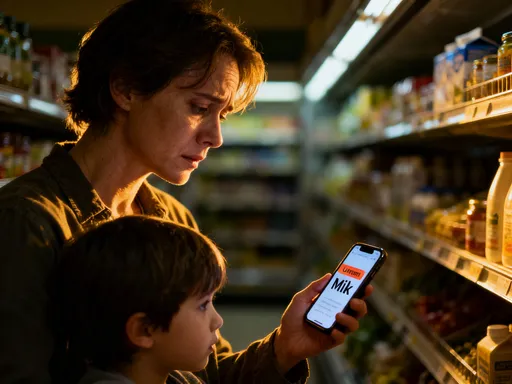
Have you ever felt that your home could do more than just run itself? I didn’t think much about it until my morning routine—quiet, predictable, and a little lonely—started changing. My coffee brewed at the right time, yes, but something deeper shifted: conversations began to spark, neighbors dropped by, and I found myself making real connections. It wasn’t magic. It was how I used smart home tech to build habits that opened doors—literally and socially. At first, I saw my smart devices as tools for convenience: lights that turned on by themselves, thermostats that adjusted without a touch, a voice assistant that reminded me to buy milk. But over time, I realized these little moments weren’t just about saving time—they were opportunities to create warmth, openness, and connection. And that’s when everything changed.
The Quiet House That Needed a Heart
When I first moved into my current home, I was so proud of how 'together' everything felt. I had spent weeks setting up my smart devices—motion-sensing lights, a voice-controlled speaker in every room, even a robot vacuum that mapped its own cleaning path. Every morning, the same thing happened: my alarm gently faded in with soft light, the coffee maker started brewing as I walked into the kitchen, and my favorite podcast queued up before I even asked. It was seamless. Efficient. Perfect, almost. But after a few months, I noticed something strange: the more my house ran itself, the quieter my life became. I realized I hadn’t had a real conversation with a neighbor in weeks. My sister called and said, 'You sound distant,' and I realized she wasn’t just talking about the phone line. I was physically alone, emotionally tuned out, and surrounded by technology that made solitude easier—but not richer.
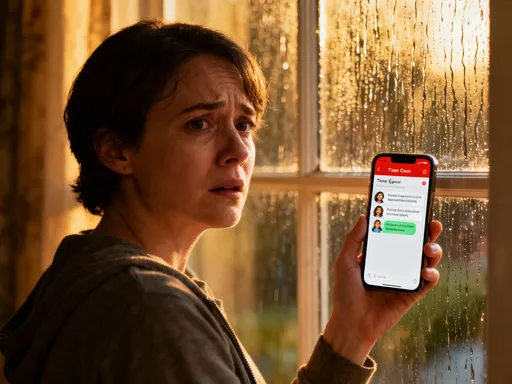
That moment of clarity hit me on a rainy Tuesday. I was standing in the kitchen, watching my smart oven preheat for a frozen dinner for one, when I overheard laughter from next door. A family was huddled under their porch awning, sharing snacks and stories while waiting out the storm. I felt a pang—not of envy, but of missing out. My home was working flawlessly, but it wasn’t helping me feel connected. That’s when I asked myself: what if I used my smart home not just to make life easier, but to make it more meaningful? What if I could use these tools to invite people in, instead of shutting the world out? It wasn’t about adding more gadgets. It was about shifting my mindset—from automation for efficiency, to automation for connection.
From Schedules to Shared Moments
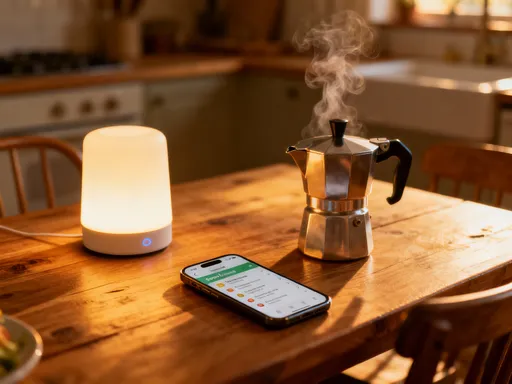
I started small, almost playfully. I noticed that every weekday around 7:30 a.m., the sun would peek through the trees just as my kitchen lights automatically brightened. That little burst of morning light became my signal—it wasn’t just for me anymore. I began leaving my curtains open just a bit wider, and I programmed my outdoor lights to turn on at the same time, not because I needed them, but because they created a warm, welcoming glow. One morning, I saw Mrs. Langley from across the street pause as she walked her dog. She smiled and said, 'I love how your house always looks awake at the right time.' I laughed and said, 'That’s the robot, not me!' And just like that, we started talking—about the weather, her dog, my coffee habit. It felt easy. Natural.
That’s when I realized: consistency builds comfort. When people see the same rhythm in your home—the lights coming on, the music drifting out softly, the scent of coffee in the air—it creates a sense of familiarity. It says, 'This is a place where life happens.' So I leaned into it. I set my smart speaker to play a light jazz playlist every Saturday morning while I baked. I didn’t turn it up loud—just enough to be heard through the open window. Soon, Mr. Patel from down the block started waving as he passed by on his bike. Then one day, he stopped and said, 'Is that Ella Fitzgerald? My wife and I used to dance to that.' Before I knew it, they were sitting at my kitchen table, sipping coffee, sharing stories about their wedding day. The music wasn’t just a soundtrack to my morning—it became a bridge. And it all started because I stopped seeing my routines as private and started seeing them as invitations.
The Kitchen That Learned to Be Social
The kitchen has always been the heart of the home, but mine had become a solo stage. I’d come home, heat something quick, eat in silence, and clean up without a word. But once I started thinking about connection, I looked at my smart kitchen tools differently. My voice assistant could tell me when dinner was ready—but why not let others know too? I began using shared notifications. Instead of just setting a timer for my roasted vegetables, I’d say out loud, 'Hey, remind me to text Lisa in 15 minutes that dinner’s almost ready.' Sometimes, I’d even say it loud enough for the open window to carry it outside. And more than once, that led to a knock on the door.
One evening, I was cooking a lentil stew—nothing fancy, but the house smelled amazing. My smart pot sent a chime to my phone: 'Dinner is served.' I smiled and said, 'Finally, something warm on a cold night.' A few seconds later, a voice from the backyard fence: 'Smells like comfort in there!' It was Ben, my neighbor, walking his kids in from soccer practice. Without thinking, I called back, 'It’s ready now—want to join us?' He hesitated, then said, 'We don’t want to impose.' I said, 'No imposition—my smart pot makes enough for four, and I always cook extra just in case.' Ten minutes later, five of us were around my table, laughing, passing bread, and sharing stories. That night wasn’t planned. It wasn’t scheduled. But it happened because my kitchen had learned to speak—and I had learned to listen.
Since then, I’ve made it a habit to use my smart devices to signal openness. I set my oven to send a notification not just to me, but to a small group chat with a few close neighbors. It’s not every night, but when I’m making soup or roasting chicken, I’ll add a quick message: 'Warm food, warm house—come by if you’re free.' It’s low pressure, no expectations. But it works. More than once, someone has shown up with a bottle of wine or a dessert they baked. We don’t talk about tech. We talk about life. And that’s the point.
Lighting the Way to Neighborly Habits
Lighting is more than function—it’s feeling. I used to think of my smart bulbs as a way to save energy or avoid getting up to flip a switch. But then I learned how much they could say without words. I started experimenting with color and timing. In the evenings, I set the porch light to warm white, turning on at sunset. Inside, the living room lights dimmed to a soft amber by 7 p.m., creating a cozy glow visible from the sidewalk. I didn’t realize how powerful that was until Mrs. Langley mentioned it. 'I always know when you’re home,' she said. 'Your lights make the whole block feel safer.'
That comment stayed with me. My lights weren’t just for me—they were sending a message. So I leaned into that idea. I programmed my front path lights to stay on a little longer in the winter, not because I was outside, but because I knew my neighbors walked late some nights. I added a motion-sensitive porch light that didn’t just scare off intruders—it welcomed people. One rainy night, I saw Mr. Patel standing under my awning, waiting for his ride. I opened the door and said, 'You’re more than welcome to wait inside.' He smiled and said, 'I didn’t want to bother you.' I said, 'Your feet are already on my welcome mat—no bothering needed.'
Over time, those small lighting cues built trust. People began to recognize my rhythms. They knew when I was home, when I was up late reading, when I was having people over. And instead of feeling watched, they felt included. One neighbor even said, 'Your house always looks like someone cares.' That hit me deep. Because I realized: I wasn’t just lighting a space. I was lighting a way—for connection, for safety, for belonging. And sometimes, all it took was a warm glow at the right time.
Voice Assistants as Unexpected Icebreakers
I’ll admit it: I talk to my voice assistant all the time. 'Play calming piano music.' 'Set a timer for 12 minutes.' 'What’s the weather tomorrow?' It’s second nature. But one summer evening, as I stood on my balcony saying, 'Turn on the patio lights,' I heard a chuckle from next door. I turned and saw Ben, grinning. 'Were you talking to me?' he asked. I froze for a second, then laughed. 'No! I was talking to the ceiling!' He said, 'For a second, I thought you were finally inviting me to dinner.' And just like that, we both realized how funny it looked—me giving commands to thin air, him thinking I was being friendly.
That moment sparked something. Now, when I’m outside and I need to adjust the lights or check the time, I say it a little louder, with a smile. Sometimes, I even add a joke: 'Hey, turn on the lights—and yes, Ben, I’m not ignoring you this time!' He laughs, waves, and often comes over to chat. What could have been an awkward moment—technology making me seem distant—became a shared laugh, a running joke, a connection point. I’ve even started using my voice assistant as a playful signal. When I say, 'Goodnight, house,' and all the lights shut off, Ben sometimes calls out, 'Night, house!' too. It’s silly. It’s sweet. And it’s real.
The truth is, voice assistants can feel impersonal—like we’re surrounded by machines instead of people. But I’ve learned that how we use them matters. When I speak to my device in a warm, natural tone, when I let others overhear me in a friendly way, it doesn’t push people away. It pulls them in. It shows that I’m present, that I’m living, that I’m open. And sometimes, the most human moments start with a machine.
Building Routines That Invite Others In
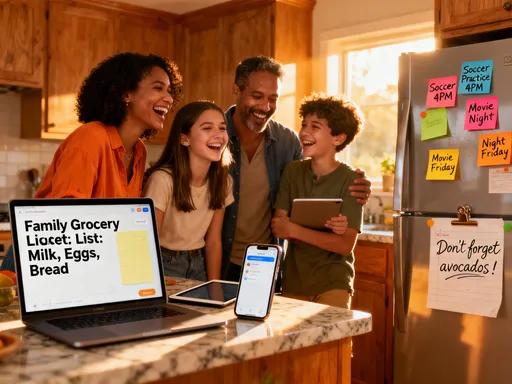
Connection didn’t happen overnight. It grew from small, consistent habits—ones I designed not just for myself, but with others in mind. I started syncing routines with people I cared about. I shared a morning alarm playlist with Lisa, so we both started our days with the same uplifting song. It wasn’t about being in sync for productivity—it was about feeling close, even when we were apart. When I added milk to my smart grocery list, I’d sometimes include her favorite tea, just in case she stopped by. These weren’t grand gestures. They were quiet invitations, woven into the fabric of my daily life.
I also began using shared calendars and smart reminders to create space for others. Instead of treating my home as a private fortress of efficiency, I treated it as a living space that could expand. I set a recurring reminder every Sunday: 'Leave the backyard gate unlocked from 4–6 p.m.—good time for impromptu visits.' I didn’t announce it. I didn’t post it online. But the people who mattered knew. And slowly, they started showing up—sometimes with gardening gloves, sometimes with lemonade, always with smiles. My robot mower might be buzzing in the background, my sprinkler system watering on schedule, but the real magic was in the laughter filling the air.
What I’ve learned is that intentionality breeds connection. When I stopped using my smart home to minimize interaction and started using it to maximize warmth, everything shifted. The devices didn’t change. The house didn’t change. But the way I lived in it did. I wasn’t just creating routines for myself—I was creating rhythms that others could join. And that made all the difference.
A Smarter Home, A Warmer Life
Looking back, I realize that the most powerful feature of my smart home isn’t any single device. It’s the way these tools, when used with heart, can open doors—both literal and emotional. My lights, my voice assistant, my kitchen gadgets—they don’t just serve me. They help me serve others. They create moments of surprise, warmth, and belonging. They turn routines into rituals, solitude into community, and a quiet house into a home that breathes with life.
I used to think smart technology was about control—about making everything run exactly as I wanted. But now I see it differently. The real power isn’t in controlling your environment. It’s in shaping it so that it welcomes others in. It’s not about perfection. It’s about presence. It’s not about doing everything alone—it’s about creating space to do things together.
So I’ll ask you the same question I asked myself: What if your smart home didn’t just know your preferences, but helped you share them? What if your morning coffee routine became a reason for a neighbor to stop by? What if your evening lights didn’t just guide your steps, but invited someone in from the cold? Technology doesn’t have to isolate us. In the right hands, with the right heart, it can bring us closer. It can remind us that even in a world of screens and sensors, the most meaningful connections are still human. And sometimes, all it takes is a little light, a shared meal, or a voice in the open air to start a conversation that changes everything.