I Learned These Body Recovery Skincare Mistakes the Hard Way
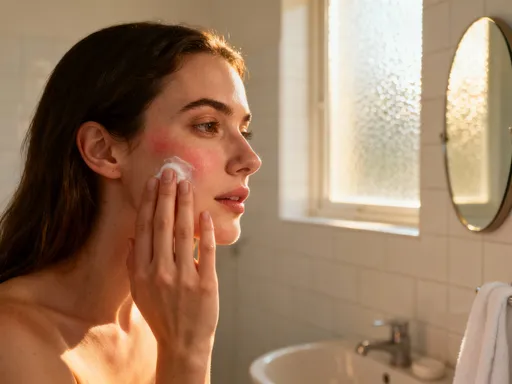
Recovery isn’t just for after illness—it’s part of daily self-care, especially when it comes to skin health. I used to think harsh products meant better results, but over time, I damaged my skin barrier without realizing it. Through trial, error, and real changes, I discovered the common pitfalls that slow down healing and dull your glow. This is what I wish I’d known earlier about nurturing skin during recovery.
The Hidden Cost of Aggressive Skincare
Many people believe that stronger skincare products lead to faster, more visible improvements. The logic seems sound: if a little exfoliation helps remove dead skin, then more should clear it faster, right? Unfortunately, this mindset often backfires. Over-exfoliating with physical scrubs or chemical exfoliants like AHAs and BHAs can compromise the skin’s natural protective barrier. This barrier, made up of lipids and proteins, functions like a shield—keeping moisture in and irritants out. When it’s weakened, the skin becomes more vulnerable to environmental stressors, bacteria, and inflammation.
During periods of physical recovery—such as after illness, surgery, or even intense stress—the body is already working hard to restore balance. Adding aggressive skincare into the mix can overburden the system. Signs of damage include persistent dryness, flakiness, stinging when applying products, and increased reactivity to ingredients that previously caused no issues. These are not signs of progress; they are warnings. The skin is not designed to be stripped of its natural oils daily. In fact, doing so disrupts the pH balance and impairs its ability to repair itself, ultimately delaying the very healing people are trying to accelerate.
It’s also important to recognize that active ingredients like retinoids, high-concentration acids, and strong acne treatments are powerful tools—but they are not meant for constant use, especially when the skin is already compromised. Using them without proper spacing or without allowing recovery time between applications can lead to a cycle of irritation and damage. The goal of skincare during recovery should not be transformation, but support. Instead of pushing the skin to perform, the focus should be on restoring resilience and creating a stable foundation for long-term health.
Why Your Skin Needs Rest, Not Overload
Skin, like any other organ, requires downtime to regenerate. The process of cellular turnover—where old skin cells are shed and replaced by new ones—typically takes about 28 days in healthy adults. This natural rhythm is supported by sleep, hydration, and balanced nutrition. However, when people layer multiple actives, alternate between treatments daily, or introduce new products too frequently, they interfere with this cycle. The skin doesn’t get the quiet it needs to heal. Instead, it remains in a state of constant reaction, struggling to adapt to one product before the next is introduced.
Think of it like muscle recovery after exercise. After a workout, muscles experience micro-tears that repair and grow stronger during rest. If someone were to work the same muscle group every single day without rest, they would risk injury and see no gains. The same principle applies to the skin. Applying retinol every night, followed by vitamin C in the morning, and a peel every weekend doesn’t build stronger skin—it overwhelms it. Over time, this leads to what dermatologists often call “barrier fatigue,” where the skin loses its ability to maintain moisture and defend against irritants.
Signs that your skin is over-treated include persistent redness, tightness, a feeling of roughness despite moisturizing, and even unexpected breakouts. These are not necessarily signs of “purging,” as some brands suggest, but often indicators of damage. When the skin is under stress from illness, hormonal shifts, or emotional strain, it becomes even more sensitive to overstimulation. The solution isn’t to add more products to fix the problem, but to step back. Allowing the skin to rest—sometimes for days or even weeks—can be one of the most effective steps toward recovery. During this time, using only gentle cleansers and moisturizers gives the skin the peace it needs to rebuild its natural defenses.
The Myth of Quick Fixes in Skin Healing
In today’s fast-paced world, there’s an expectation that everything should happen quickly—especially visible results. Skincare marketing often fuels this belief, promoting products as “overnight fixes” or promising “glass skin in a week.” These messages can be especially tempting when someone is dealing with breakouts, dullness, or irritation during a period of recovery. But true skin healing is not instantaneous. It’s a gradual process that depends on cellular renewal, consistent care, and internal health.
The pursuit of quick results often leads to risky behaviors: layering multiple actives, rotating products too frequently, or using prescription-strength ingredients without medical supervision. Many people jump from one trend to the next—trying a new serum one week, a peel the next, and a detox mask the week after—without giving their skin time to respond. This constant experimentation prevents the ability to determine what actually works and what causes harm. It also increases the risk of irritation, especially when the body is already under stress from illness, fatigue, or hormonal changes.
Another issue with chasing fast fixes is the emotional toll. When results don’t appear immediately, it’s easy to feel discouraged or believe that something is wrong with your skin. This can lead to even more aggressive routines, creating a cycle of damage and disappointment. The reality is that skin reflects the body’s internal state. If you’re not sleeping well, eating balanced meals, or managing stress, no topical product will completely override those factors. Healing takes time—often several weeks or even months—and requires patience. Accepting this truth is the first step toward a more sustainable, effective approach to skincare.
Overlooking Internal Recovery Signals
The skin is often referred to as a mirror of internal health, and for good reason. Changes in energy levels, digestion, sleep quality, and hormone balance frequently show up on the face and body before any other symptoms arise. During recovery from illness, surgery, or emotional stress, the body redirects resources to essential functions, which can leave the skin with less support. Yet many people respond to these changes by adding more products, rather than addressing the root causes.
For example, dryness or breakouts during recovery may not be due to a flawed skincare routine but rather dehydration, nutrient deficiencies, or disrupted sleep patterns. Cortisol, the stress hormone, can increase oil production and inflammation, leading to acne. Poor circulation from inactivity can reduce oxygen delivery to skin cells, resulting in a dull complexion. Even medications taken during recovery—such as antibiotics or steroids—can alter the skin’s microbiome and moisture balance. Ignoring these internal factors and focusing only on topical solutions is like treating the smoke without putting out the fire.
Supporting skin from within means prioritizing hydration, eating nutrient-rich foods, and getting restorative sleep. Omega-3 fatty acids, found in fatty fish and flaxseeds, help maintain skin elasticity. Vitamins A, C, and E support collagen production and protect against oxidative damage. Zinc and selenium play roles in wound healing and inflammation control. While supplements can help in cases of deficiency, they should not replace a balanced diet. Equally important is managing stress through gentle movement, mindfulness, or breathing exercises. When the body feels supported internally, the skin often begins to reflect that balance—without the need for aggressive treatments.
The Trap of Trendy Ingredients Without Context
The skincare market is full of buzzworthy ingredients—retinol, niacinamide, hyaluronic acid, vitamin C, and various plant extracts—each praised for specific benefits. While many of these are backed by research, their effectiveness depends on context: skin type, current condition, concentration, and formulation. Using them without understanding these factors, especially during recovery, can do more harm than good.
Take retinoids, for instance. They are well-known for boosting collagen and improving texture, but they also increase skin sensitivity and can cause peeling and irritation. For someone with a compromised barrier or recovering from illness, introducing retinoids too soon or too aggressively can worsen dryness and inflammation. Similarly, vitamin C, while excellent for brightening and antioxidant protection, can be irritating in high concentrations, particularly in its pure L-ascorbic acid form. Those with sensitive or reactive skin may experience stinging or redness, especially if the product is not properly formulated or stored.
Even seemingly harmless ingredients like essential oils or natural extracts can trigger reactions when the skin is vulnerable. Fragrance, whether synthetic or natural, is one of the most common causes of irritation. During recovery, when the skin’s tolerance is lower, it’s wise to avoid unnecessary additives. The key is to assess not just what an ingredient does, but whether it’s appropriate for your skin’s current state. A product that works for someone else—or that worked for you in the past—may not be suitable now. Listening to your skin’s response is more important than following trends.
How Simplicity Supports Real Healing
When the skin is healing, less is often more. A minimalist skincare routine—consisting of a gentle cleanser, a hydrating moisturizer, and a broad-spectrum sunscreen—can be more effective than a complex regimen with multiple serums and treatments. Simplifying reduces the risk of irritation, makes it easier to identify problematic ingredients, and allows the skin to focus on repair rather than adaptation.
A gentle cleanser removes dirt and excess oil without stripping natural lipids. Look for formulas with minimal fragrance and soothing ingredients like ceramides, glycerin, or colloidal oatmeal. Harsh sulfates or alcohol-based cleansers should be avoided, especially during recovery. Hydration is equally important. A good moisturizer helps restore the skin barrier by locking in water and replenishing essential lipids. Products containing ceramides, hyaluronic acid, and squalane are particularly supportive during healing phases.
Sunscreen is non-negotiable, even on cloudy days or when indoors near windows. UV exposure can worsen inflammation, delay healing, and lead to hyperpigmentation, especially in sensitive or recovering skin. A mineral-based sunscreen with zinc oxide or titanium dioxide is often better tolerated than chemical filters, which can be irritating. Beyond these basics, additional products should be introduced slowly and only if needed. For example, a simple hydrating serum might be added if dryness persists, but only after the skin has stabilized.
The beauty of a simple routine is that it creates clarity. When you use fewer products, you can observe how your skin responds to each one. If irritation occurs, it’s easier to pinpoint the cause. This approach fosters a deeper understanding of your skin’s needs and builds confidence in your choices. Over time, you may find that you don’t need as many products as you once thought—just the right ones, used at the right time.
Building a Skincare Routine That Honors Recovery
Long-term skin health isn’t about chasing perfection—it’s about consistency, awareness, and respect for the body’s natural rhythms. A sustainable skincare routine is one that adapts to your current state, rather than forcing your skin to conform to a rigid regimen. This means being willing to pause, simplify, and adjust based on how your skin feels and looks.
Start by observing your skin without judgment. Notice its texture, tone, and comfort level each day. Is it tight in the morning? Does it react to certain products? Are there areas of redness or flakiness? These observations provide valuable feedback. Keep a simple journal if helpful, noting any changes in routine, diet, sleep, or stress levels. Over time, patterns may emerge that help you make informed decisions.
When introducing new products, do so one at a time, waiting at least a week before adding another. This “patch test” approach minimizes the risk of overwhelming the skin. Apply a small amount to a discreet area, like behind the ear or on the jawline, and monitor for any reaction. If no irritation occurs, you can gradually incorporate it into your routine. Even beneficial ingredients need to be introduced gently, especially during recovery.
Professional guidance can also be invaluable. Dermatologists and licensed estheticians can assess your skin type, identify underlying issues, and recommend safe, effective products. They can help distinguish between temporary irritation and conditions that require medical treatment, such as eczema or rosacea. Seeking help is not a sign of failure—it’s an act of care.
Finally, reframe skincare as a form of self-respect, not punishment. It’s not about fixing flaws or erasing signs of aging or illness. It’s about supporting your body as it heals and honoring the journey you’re on. Every gentle touch, every mindful choice, sends a message that you are worth caring for. Over time, this shift in perspective can transform not only your skin, but your relationship with yourself.
True beauty in recovery isn’t about perfection—it’s about listening, adjusting, and allowing the body to heal at its own pace. Avoiding common skincare missteps isn’t just protective; it’s empowering. By shifting from aggressive habits to mindful care, you support both skin and overall well-being, revealing a healthier, more resilient glow over time.